Beyond Traditional Therapy: A Deep Dive into Interventional Psychiatry for Treatment-Resistant Depression
Beyond Traditional Therapy: A Deep Dive into Interventional Psychiatry for Treatment-Resistant Depression
For many individuals living with clinical depression, the journey toward healing can feel like an endless cycle of new prescriptions and unmet expectations. When two or more antidepressant trials fail to produce significant relief, the condition is clinically categorized as Treatment-Resistant Depression (TRD).
At Light-Tunnel Behavioral Health in New Haven, we recognize that a “one-size-fits-all” approach to mental health often leaves the most vulnerable patients behind. Under the leadership of Dr. Omolola Aragbada, PMHNP, and Sharon Nkashama, PMHNP, our practice focuses on Interventional Psychiatry, a field dedicated to using biological procedures to directly modulate the brain circuits responsible for mood.
What is Interventional Psychiatry?
Interventional psychiatry is often described as the “bridge” between traditional psychopharmacology and neurosurgery. While standard oral medications (SSRIs or SNRIs) work systemically through the bloodstream, interventional treatments are more “site-specific.” They aim to stimulate or modulate neural activity in the prefrontal cortex and other areas of the brain that have become underactive or “stuck” due to chronic depression.
The Role of Clinical Leadership
Success in interventional care requires more than just advanced equipment; it requires specialized clinical oversight. Dr. Omolola Aragbada PMHNP and Sharon Nkashama PMHNP bring a combined expertise in psychiatric assessment and medication management, ensuring that every intervention is integrated into a holistic, long-term wellness plan.
Breakthrough Treatments for TRD at Light-Tunnel
1. Spravato (Esketamine) Nasal Spray
One of the most significant breakthroughs in the last decade is the use of Spravato (Esketamine). Unlike traditional antidepressants that focus on serotonin, norepinephrine, or dopamine, Spravato targets the N-methyl-D-aspartate (NMDA) receptor.
Synaptic Plasticity: By acting on the glutamate system, Spravato helps the brain “re-wire” itself, creating new synaptic connections in regions that have been damaged by long-term stress and depression.
The In-Office Experience: At our New Haven center, patients are monitored for two hours following administration to ensure safety and comfort. This high-touch approach, managed by our PMHNP team, ensures that the “digital bridge” between patient and provider remains strong.
2. Transcranial Magnetic Stimulation (TMS)
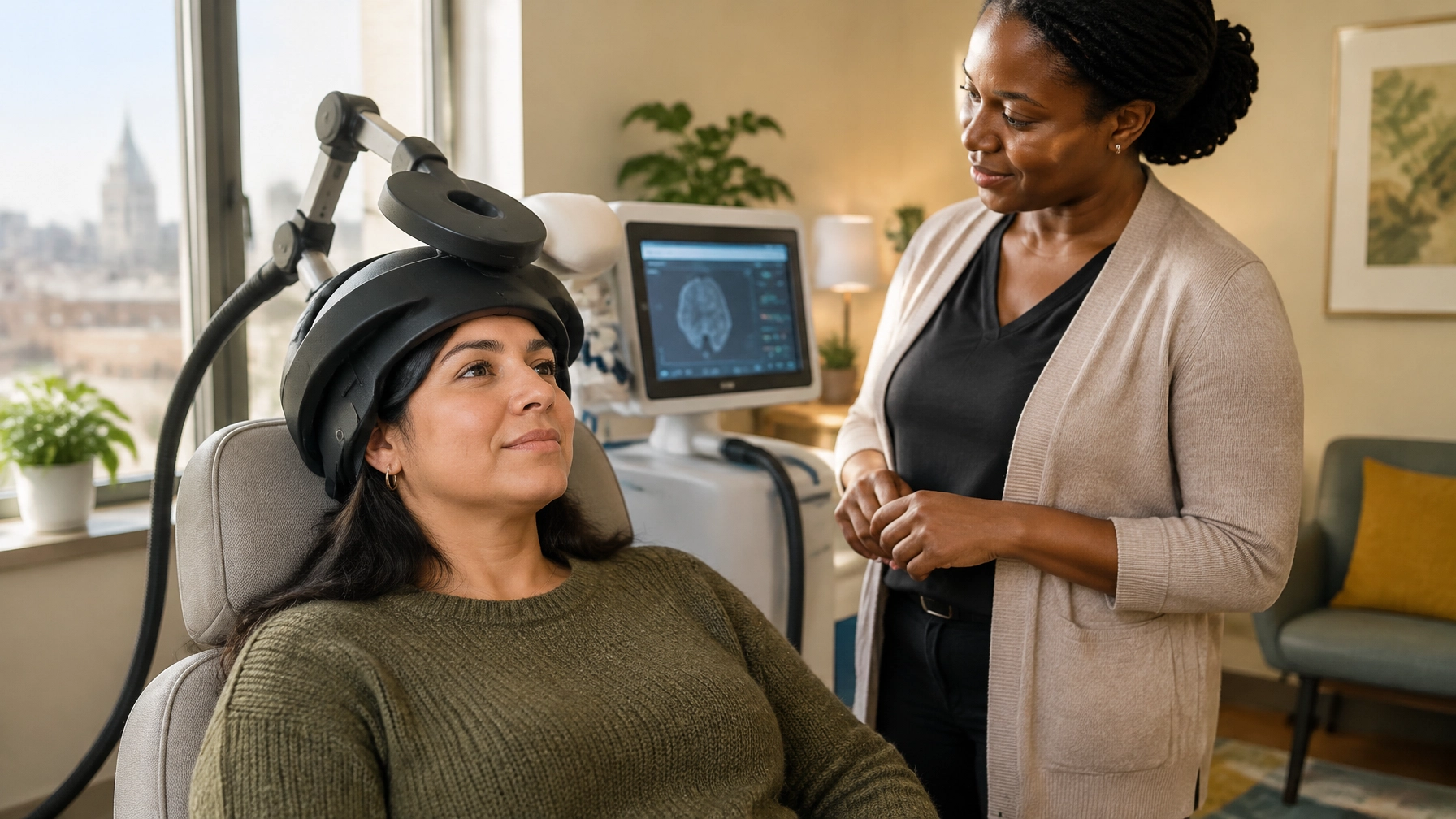
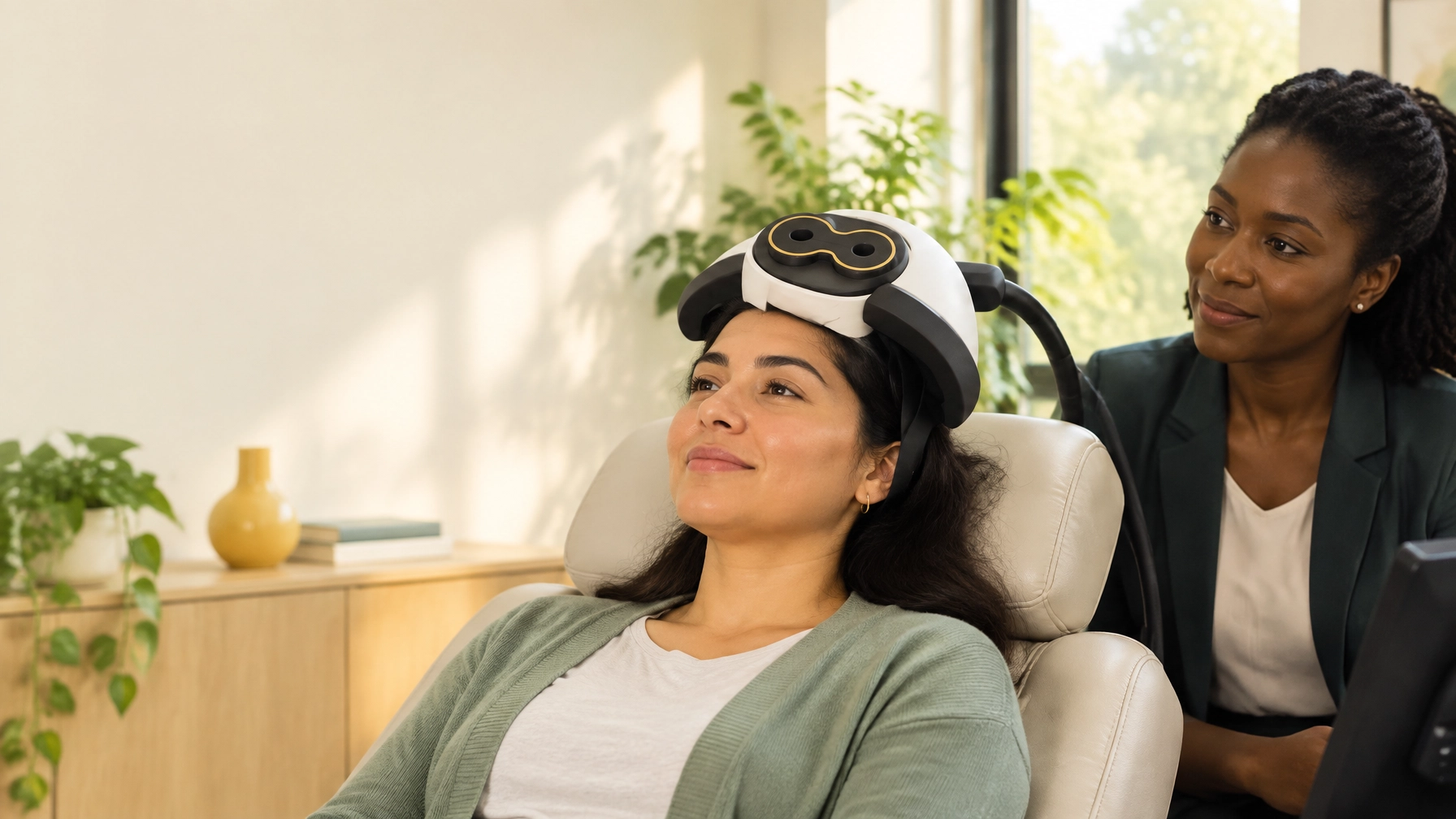
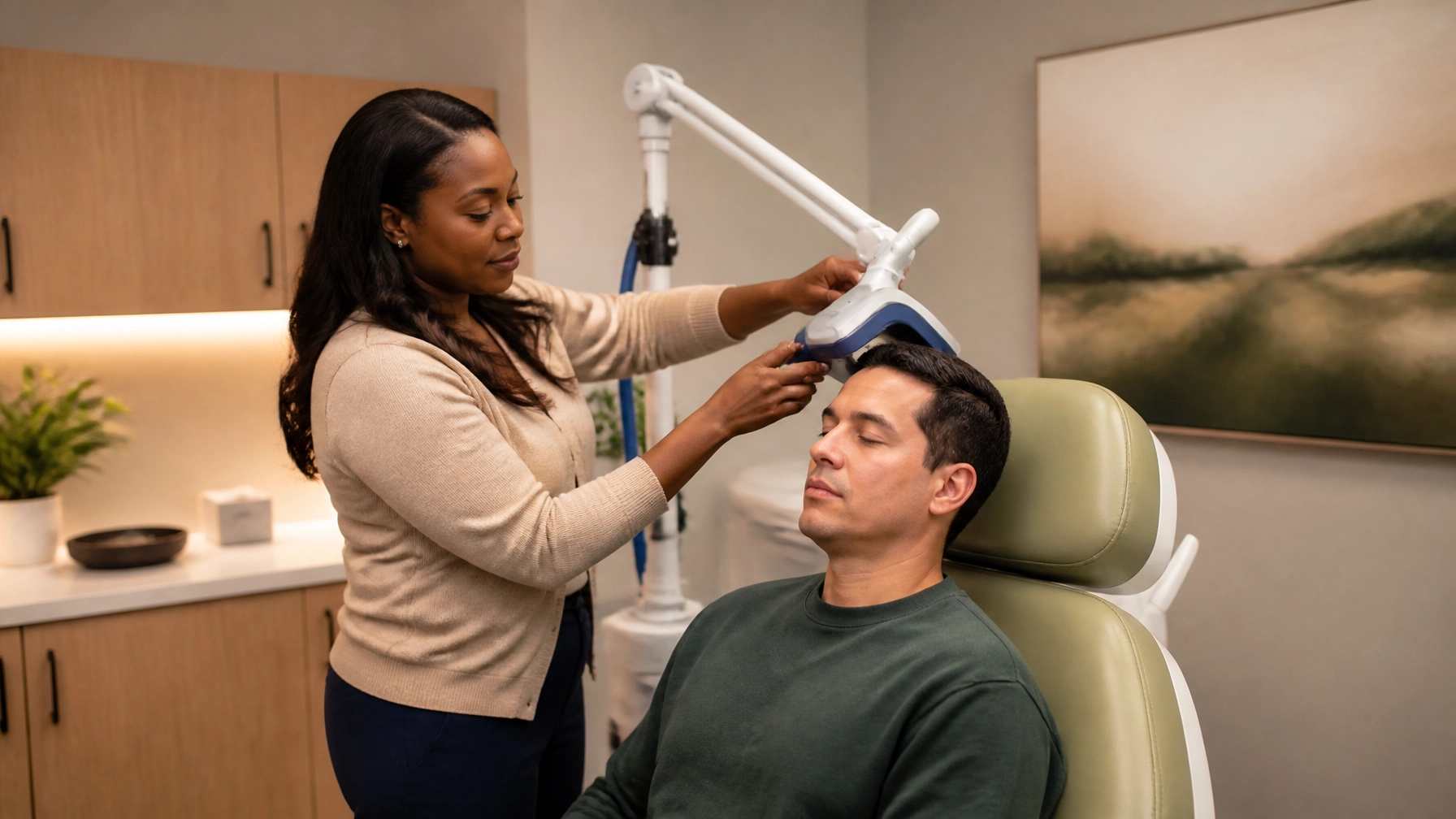
Transcranial Magnetic Stimulation (TMS) is a non-invasive, non-systemic treatment that uses electromagnetic pulses similar in strength to an MRI to stimulate nerve cells.
Targeted Therapy: TMS focuses specifically on the dorsolateral prefrontal cortex.
No Systemic Side Effects: Because it is not a medication, it avoids common side effects like weight gain, nausea, or sedation.
Navigating the Insurance and Billing Landscape
We understand that accessing advanced care can be daunting. Our administrative team, guided by Dr. Omolola Aragbada’s expertise in clinical leadership, is well-versed in the specific billing codes and authorizations required for interventional care, including HCPCS codes like G2083 and J2315. We aim to make the “back-end” of healthcare invisible so you can focus on your recovery.
Why Choose Light-Tunnel in New Haven?
Located at 157 Church St, New Haven, CT, Light-Tunnel Behavioral Health is more than a clinic; it is a center for “outcome-led” technology and care. We prioritize high-intent outcomes, meaning we measure success not just by a score on a depression scale, but by your ability to return to the things you love.
Whether you are a professional in the New Haven area or a student navigating the pressures of academia, Sharon Nkashama and Dr. Aragbada, NP provide a judgment-free environment designed for the modern, neurodiverse patient.
Medical Disclaimer: The content provided here is for educational purposes only. Interventional treatments require a full psychiatric evaluation to determine candidacy. Always consult with a qualified provider like Dr. Aragbada or Sharon Nkashama.
Note to Readers: If you are experiencing a mental health emergency, please do not rely on this website for immediate help. If you are in the U.S., call or text 988 to reach the Suicide & Crisis Lifeline, call 911, or go to the nearest emergency room. While Light-tunnel Behavioral Health Services provides advanced treatments like TMS and specialized bipolar care, our website content is for educational purposes and does not establish a provider-patient relationship.